

The evolution of gambling A journey through time and culture
Origins of Gambling in Ancient Civilizations
The history of gambling dates back thousands of years, with its roots traced to ancient civilizations such as the Chinese, Egyptians, and Romans. Archaeological evidence suggests that dice, one of the earliest forms of gambling, were created around 3000 BCE in China. These early games were not just forms of entertainment; they held significant cultural importance, often used in rituals and religious ceremonies. The Egyptians also embraced gambling, with board games and betting on the outcomes of various events being common practices. Today, players can explore modern versions of these games on platforms like crazy-star-casino-uk.com, which highlight the evolution of gambling.

The Romans further advanced the concept of gambling with organized games, such as betting on chariot races and gladiatorial contests. Their influence is visible in modern-day sports betting. The Romans regulated gambling, establishing rules to protect participants and ensure fair play, showcasing an early understanding of the need for oversight in gambling practices. These ancient cultures laid the groundwork for gambling to evolve as a multifaceted aspect of human interaction.
The significance of gambling in ancient societies extended beyond mere pastime; it acted as a social glue that brought communities together. Whether through dice games in taverns or betting on local sports, gambling fostered a sense of camaraderie and rivalry among people. As these early forms of gambling spread, they adapted to different cultures, leading to the diverse range of gambling practices seen around the world today.
The Rise of Modern Gambling
The 17th century marked a pivotal moment in gambling history with the establishment of casinos in Italy. Venice opened the first state-sanctioned gambling house, known as the Ridotto, during the Carnival season. This move transformed gambling from an informal and often unregulated activity into a structured industry, complete with rules and regulations designed to protect players and operators alike. The concept quickly spread to other parts of Europe, leading to the proliferation of gaming houses throughout France and England.
The 18th and 19th centuries saw the establishment of legal frameworks governing gambling, allowing for the rise of iconic games such as poker and baccarat. These games not only gained popularity in social settings but also sparked the emergence of professional gambling. During this period, gambling became associated with elegance and high society, drawing in individuals from various social backgrounds. The glamour of casinos became synonymous with nightlife, making gambling a central component of entertainment culture.
The Impact of Technology on Gambling
The advent of technology in the late 20th century brought about a seismic shift in the gambling landscape. The introduction of the internet in the 1990s allowed for the development of online gambling platforms, which revolutionized how people engaged with games of chance. With the click of a button, players could access a vast array of games from the comfort of their homes, a convenience that traditional casinos struggled to match. This transition to digital gambling opened up new markets and attracted a diverse audience, including those who may not have felt comfortable visiting brick-and-mortar establishments.
Online gambling has continued to evolve, with innovations such as mobile apps allowing players to gamble on the go. This accessibility has led to increased participation in gambling activities, especially among younger demographics who prefer the convenience of digital platforms. Moreover, advancements in technology have made online gambling safer, with secure payment methods and sophisticated algorithms ensuring fairness and transparency in gameplay.
Additionally, the rise of live dealer games combines the best aspects of traditional casinos with the comfort of online gambling. Players can interact with live dealers in real time, experiencing the thrill of a casino atmosphere without leaving their homes. This blending of technology and traditional gambling practices signifies a new era in the gambling industry, where convenience and innovation drive engagement and participation.
The Cultural Significance of Gambling
Throughout history, gambling has held a complex cultural significance. In many societies, gambling is not merely a recreational activity but a ritualistic practice that reflects social norms and values. For instance, in some Indigenous cultures, gambling is integrated into community gatherings and celebrations, serving as a form of social bonding and cultural expression. These practices underscore the multifaceted role that gambling plays in fostering connections among people.
Moreover, gambling often mirrors societal attitudes toward risk, reward, and chance. In cultures where taking risks is celebrated, gambling can be seen as a rite of passage, while in more conservative societies, it may be viewed with suspicion and caution. Such contrasting perspectives contribute to the rich tapestry of gambling traditions across the globe, highlighting the interplay between cultural context and gambling behavior.
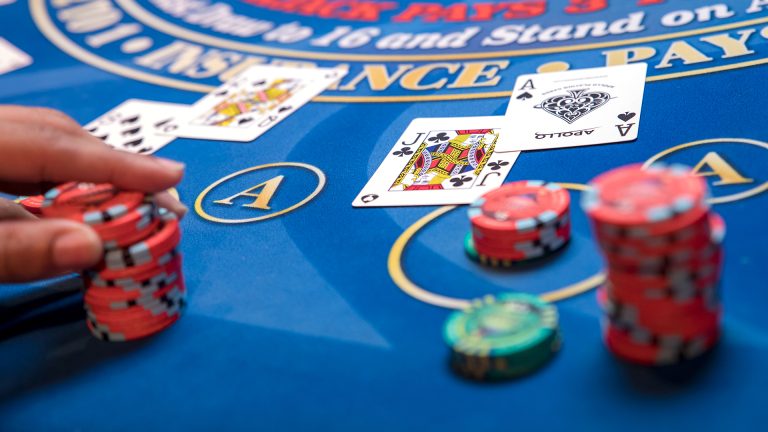
Exploring the Online Gambling Landscape
The rise of online gambling platforms has transformed the way individuals engage with betting and gaming. Websites offer a broad spectrum of games, catering to diverse preferences and playing styles. From classic card games and roulette to innovative slot machines, online casinos have created immersive experiences that rival traditional venues. The convenience of accessing these platforms anytime and anywhere has significantly altered the gambling landscape, appealing to a wider audience.
Online gambling also emphasizes user engagement and loyalty, with enticing welcome bonuses and loyalty programs designed to retain players. These incentives, along with a user-friendly interface, create an inviting environment for both newcomers and seasoned players. The introduction of live dealer games further bridges the gap between online and physical gambling, allowing players to interact in real-time while enjoying the comfort of home.
“`